
Activities
Participatory Supply Chain Mapping with project partners
At the end of last year, the Cluster E project team successfully acquired two business partners. We are delighted to count with the support of two renowned companies, Erbe Elektromedizin GmbH and MICRO-TECH Europe GmbH, which will be collaborating with us on case studies over the next three years.
At the start of the collaboration, “participatory supply chain mappings” will be carried out with the project partners and their suppliers in February and March. The aim is to exemplarily analyze the supply chains of selected surgical instruments and to discuss risks and challenges for the sustainability and resilience of these supply chains. In the course of the year, the project team will then refine the mappings through further interviews and observations in the production countries (including China).
We are looking forward to the collaboration and would like to thank our partners for the trust they have placed in us!
Paper Development Workshop of the Journal of Supply Chain Management in Paris

Christian Hilpert attended a workshop organized by the renowned Journal of Supply Chain Management at the ESCP Business School in Paris on January 22 – 23. In an inspiring atmosphere, current research papers were discussed, with a particular focus on critical perspectives in supply chain management such as resilience and sustainability. During the workshop, he had the opportunity to present a research project on discourse analysis of supply chain risks to colleagues from various universities. The workshop also provided valuable impulses, international networking, and increased visibility as well as deeper insights into key methods and substantive approaches in supply chain management.
Participation in the 66th ISLE Conference in Pune, India


From 19 to 21 January 2026, the 66th conference of the Indian Society of Labour Economics (ISLE) took place in Pune, India, with around 800 participants in attendance. At the invitation of our long-standing research partner, Praveen Jha — who served as conference president this year — a team of researchers from the GSVC Competence Centre attended the event.
The GSVC team organised a panel discussion entitled ‘Decent Work Deficits during Multiple Crises’. The discussion focused on political and economic dependencies, blocked industrialisation processes within global value chains, and the role of binding corporate due diligence obligations at the European level. It also covered labour and contract law regulations within the Indian context. Additionally, the long-term effects of colonial and postcolonial structures on productive employment were analysed.
Field Research in Colombia
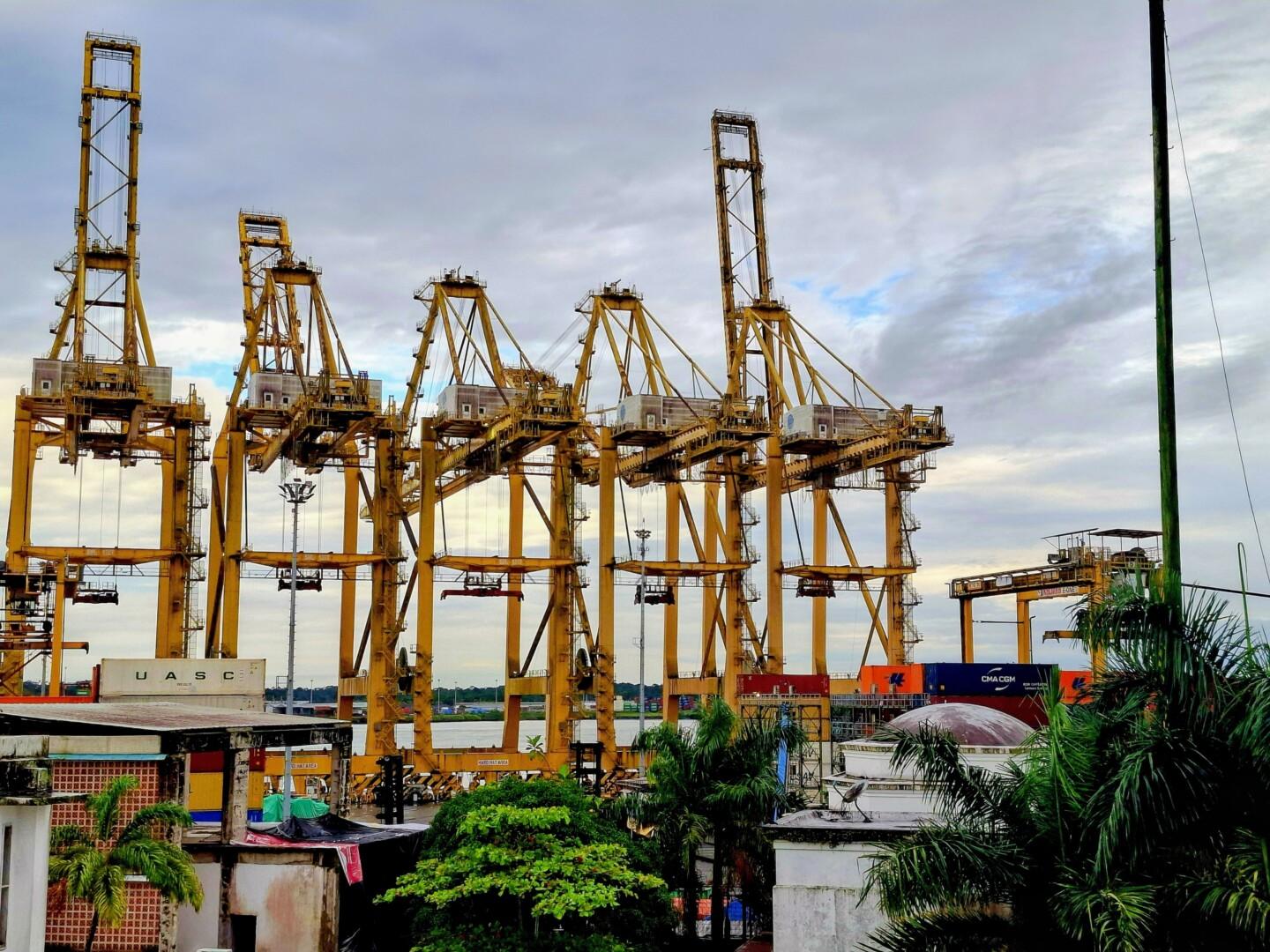
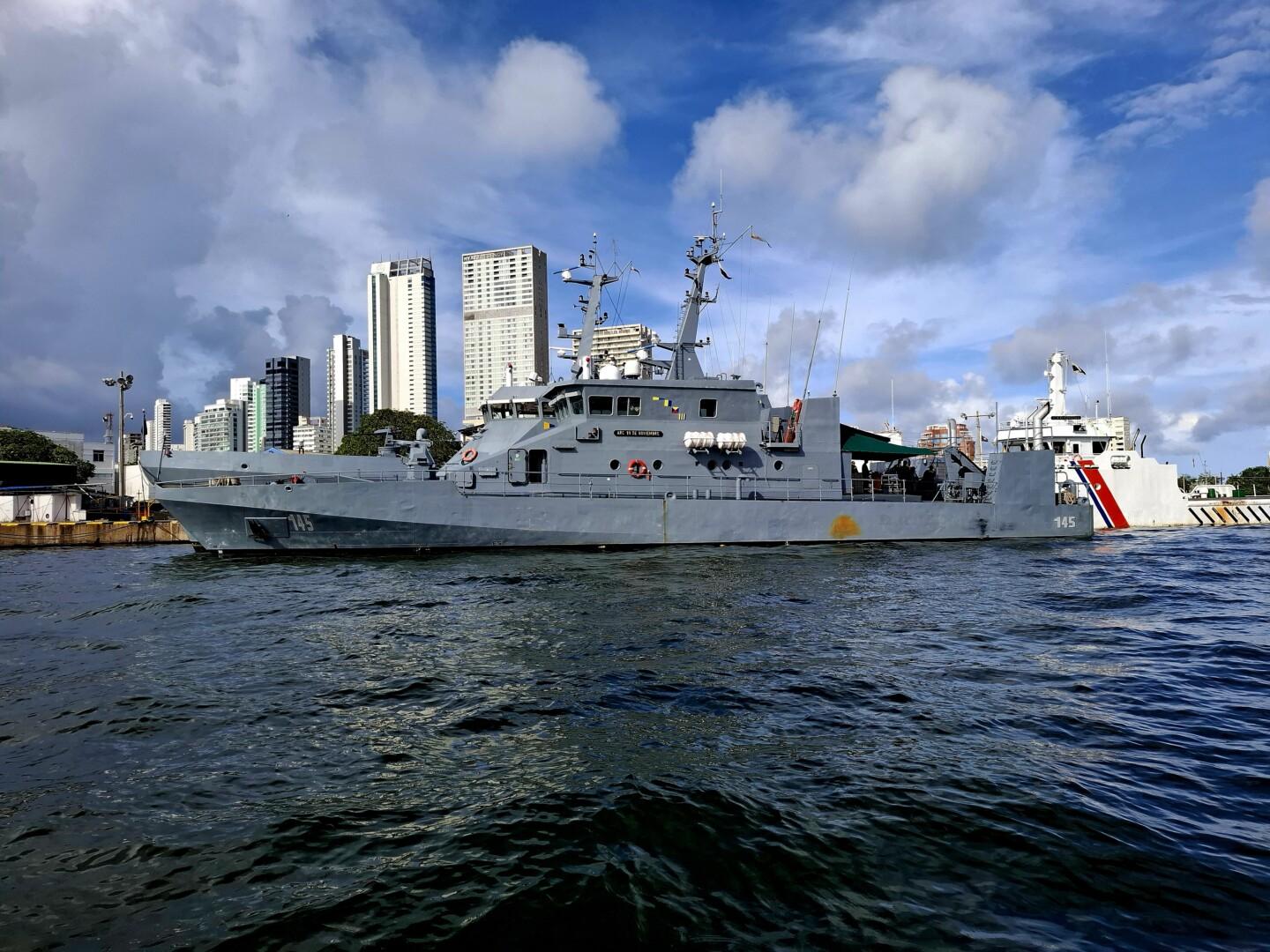
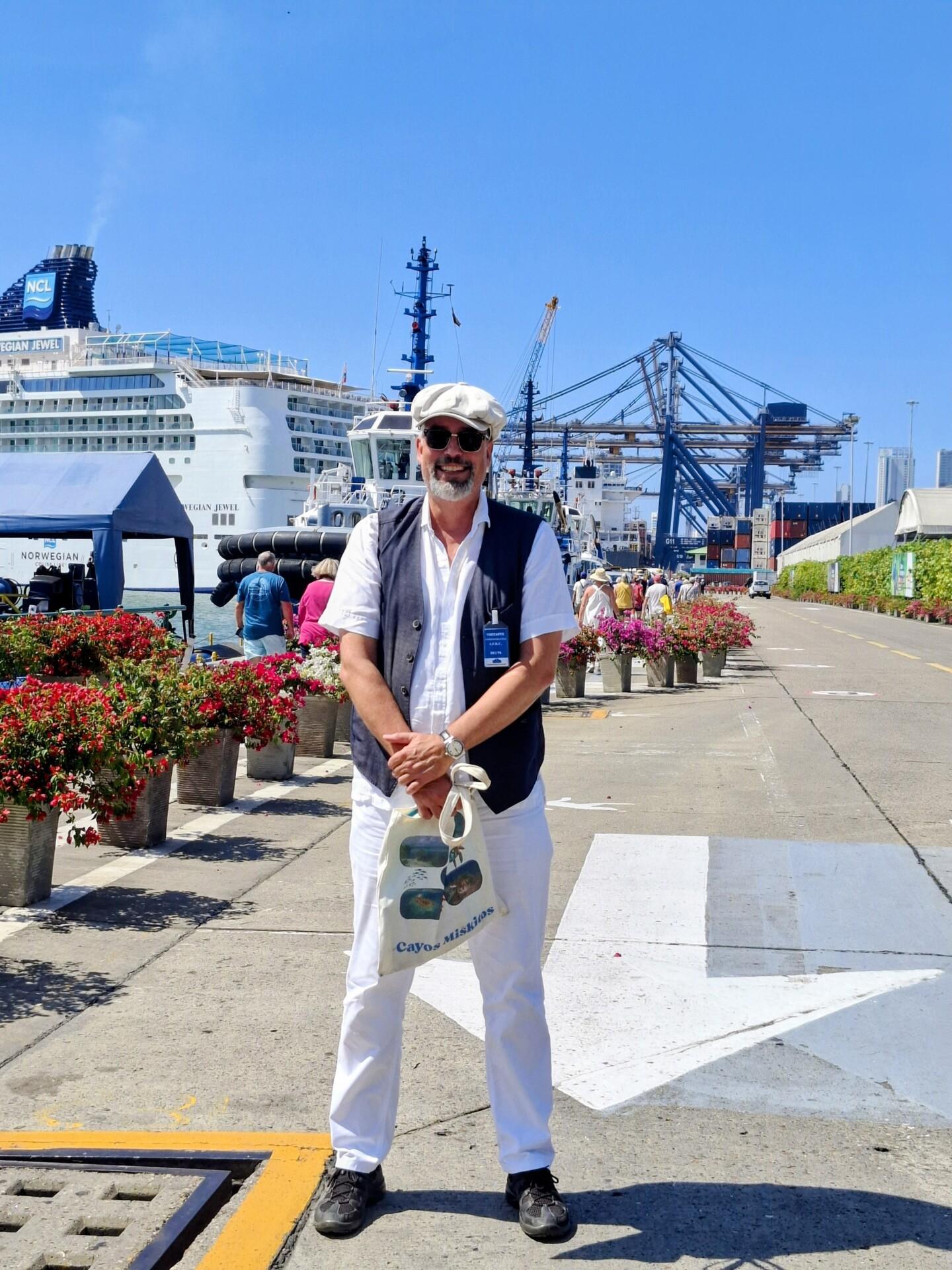
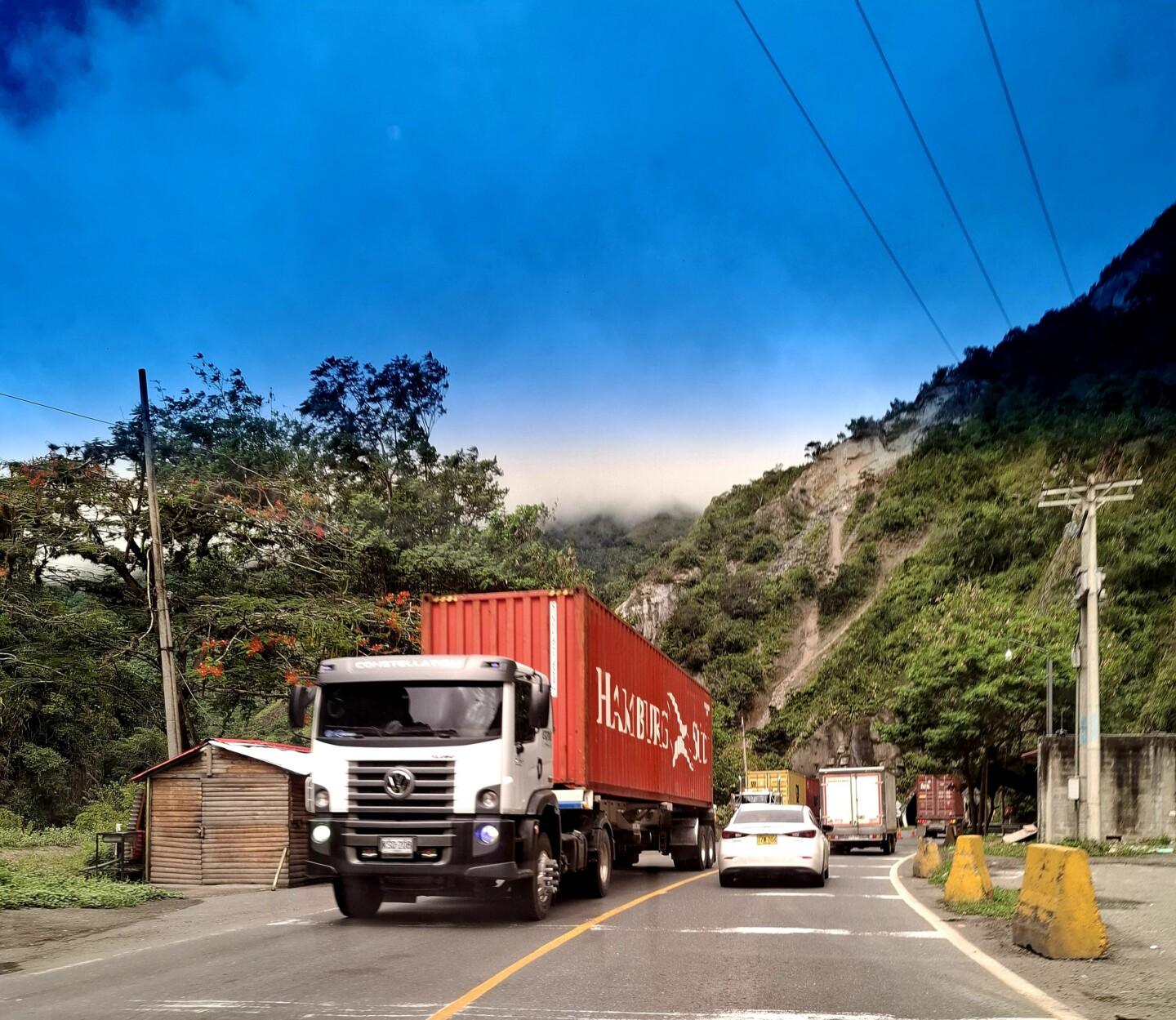
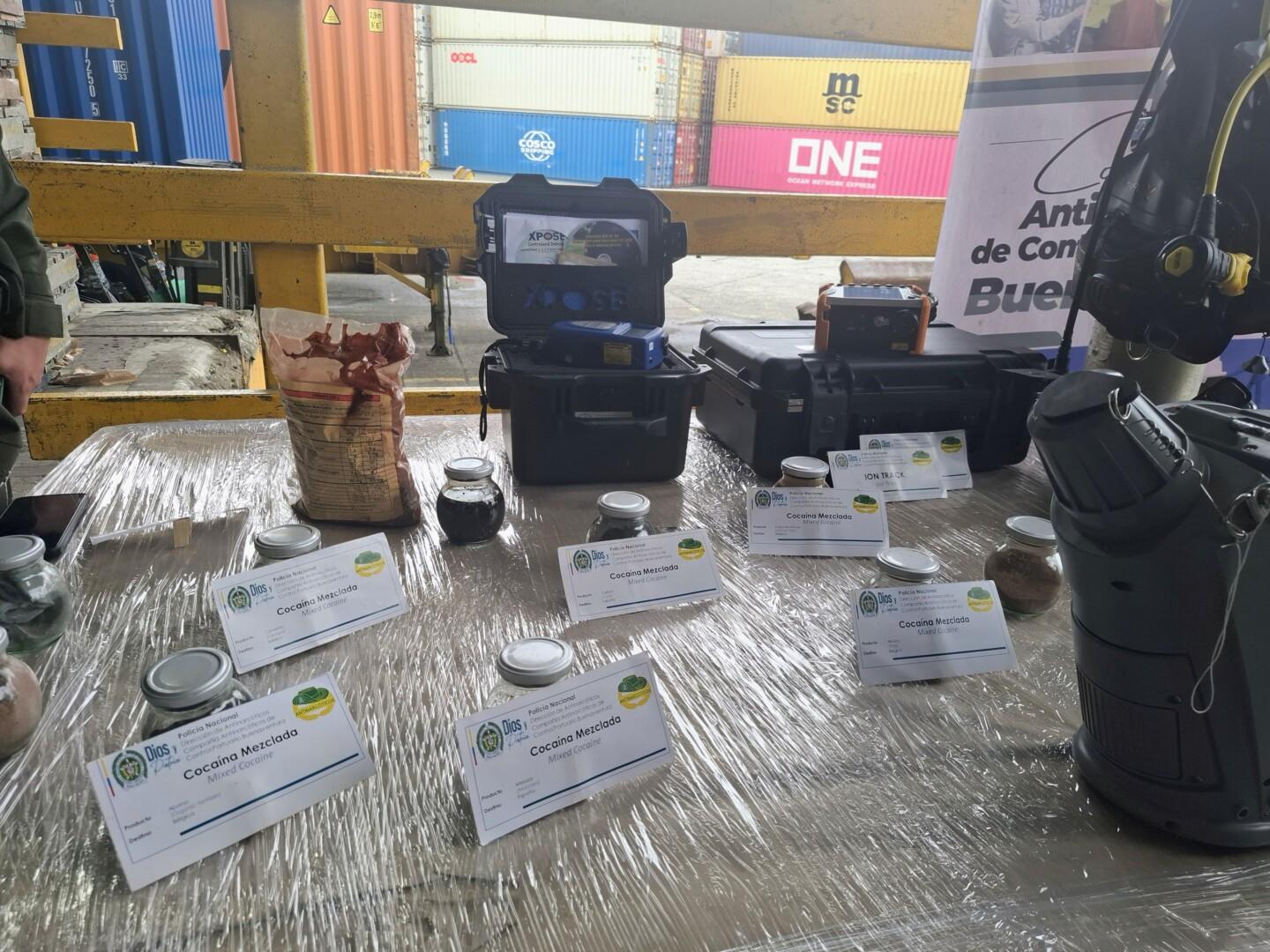
From October to December 2025, Prof Schultze-Kraft conducted research on the governance of, and illegal activities within, Global Value Chains (GVCs) in Colombia, specifically examining two major seaports: Buenaventura on the Pacific coast and Cartagena on the Caribbean/Atlantic coast. His work involved conducting interviews with a broad range of stakeholders in Buenaventura, Cartagena, Cali, and the capital city Bogotá. These stakeholders comprised port terminal operators, anti-narcotics, customs and national police, logisticians, foreign trade and security policy experts, journalists, academics, and political, social and ecclesiastical leaders. He also made on-site visits to both ports during his study stay in the country. Heartfelt thanks go to the Colombian partners for making these visits and interviews possible.
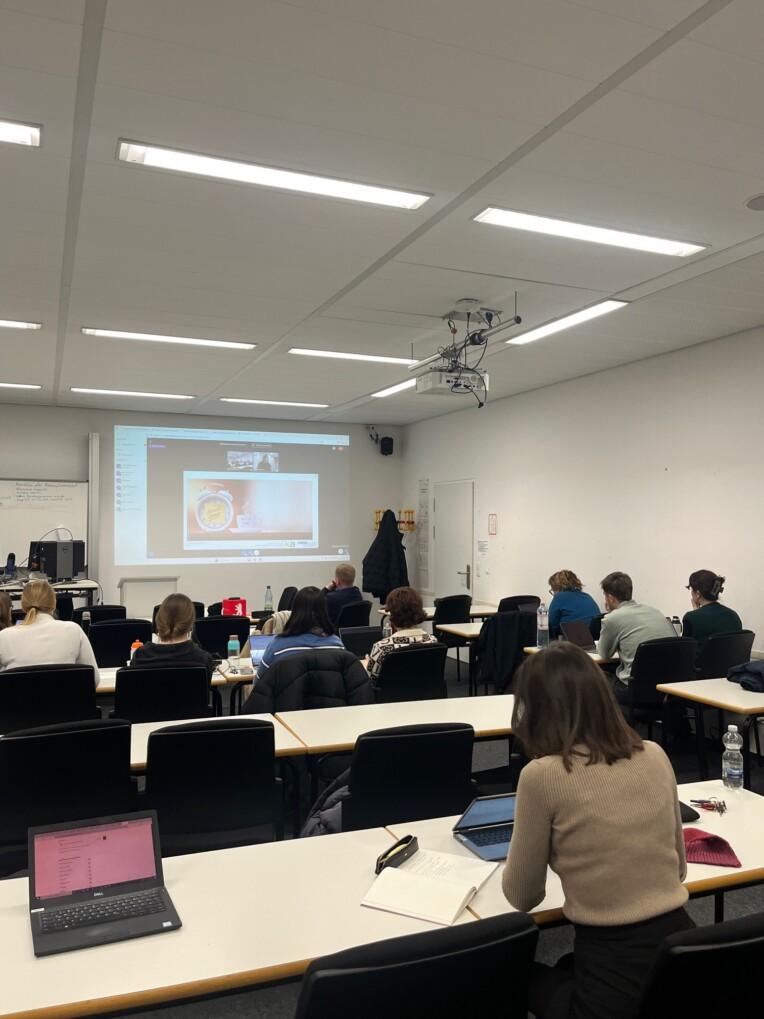
Guest Lecture by Prof. Marzia Traverso on Social Product Declarations (SPDs): Assessing the Social Sustainability Performance of Products throughout their Life Cycle
On January 14, 2026, the GSVC research centre hosted an inspiring lecture titled “Social Product Declarations (SPDs): Assessing the Social Sustainability Performance of Products throughout their Life Cycle” as part of its lecture series on Resilience and Security of Global Supply and Value Chains.
The event provided a deep insight into the concept of SPDs and its underlying methodological approach (Social Life Cycle Assessments, S-LCAs) which represent a valuable instrument for assessing, comparing, and communicating the social sustainability performance of products across their entire life cycle.
The guest lecturer of the session, Prof. Marzia Traverso (Professor and Head of Institute of Sustainability in Civil Engineering in RWTH Aachen), led the pioneering development of the world’s first Product Category Rules (PCRs) for SPDs, as well as the publication of the first SPD in 2023, accomplished with Circular Srl and Hitachi Rail.
In her lecture, Prof. Traverso guided the participants through six thematic focuses: from the introduction to S-LCAs and its aims and steps, to methodological aspects, a practical pilot project, and the final implementation of the first SPD along with the associated PCRs. By structuring the lecture into clearly understandable steps and showcasing them at a practice example, participants gained a well-founded understanding of the topic as well as practical knowledge, leading to active discussions.
Annual Conference of the Competence Centre at Campus Lichtenberg
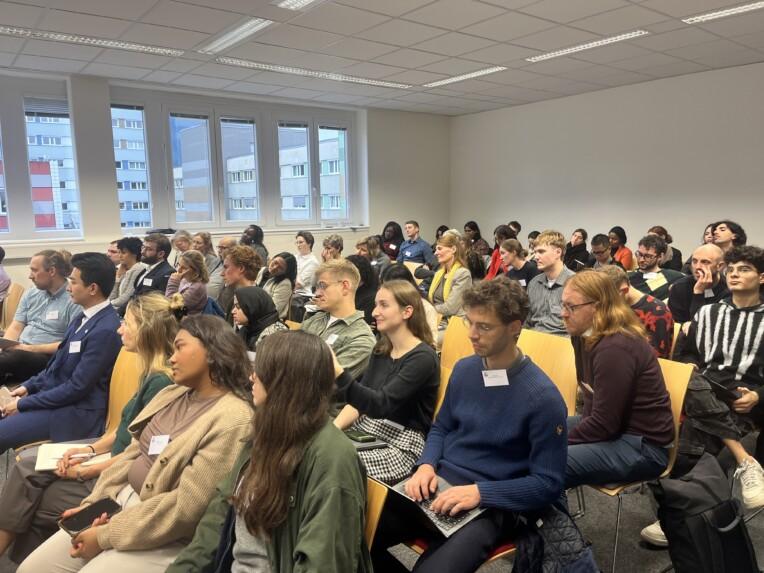
On 17 and 18 November 2025, 120 participants from academia and practice gathered at the Lichtenberg Campus of the Berlin School of Economics and Law for the Conference “The Politics of Supply Chains – Between Regulation, Resistance and Resilience”. The programme featured contributions across disciplines to encourage exchange between different areas of supply chain research. An interactive poster session furthermore offered early-career researchers the possibility to present their projects and engage with participants.
A detailed documentation of the conference including the presentation slides can be found here.
Field Research in Turkey
Between early October and early November 2025, researchers of Cluster B project completed an intensive field research phase in Turkey as part of its qualitative data collection. In total, 25 interviews were conducted, focusing on two sectors, automobile and textile and apparel, across six cities Istanbul, Bursa, Ankara, Gaziantep, Denizli, and İzmir. The interviews covered a broad range of actors, including trade unions (5), firms (5), business associations (7), academics (3), policy makers (2), and experts from NGOs and think tanks (3). Transcription and translation are progressing as planned, and the Turkey case study has now entered the data analysis and analytical phase.
Field Research in Brazil: Researchers Engage with Policy, Civil Society, and Global Debates
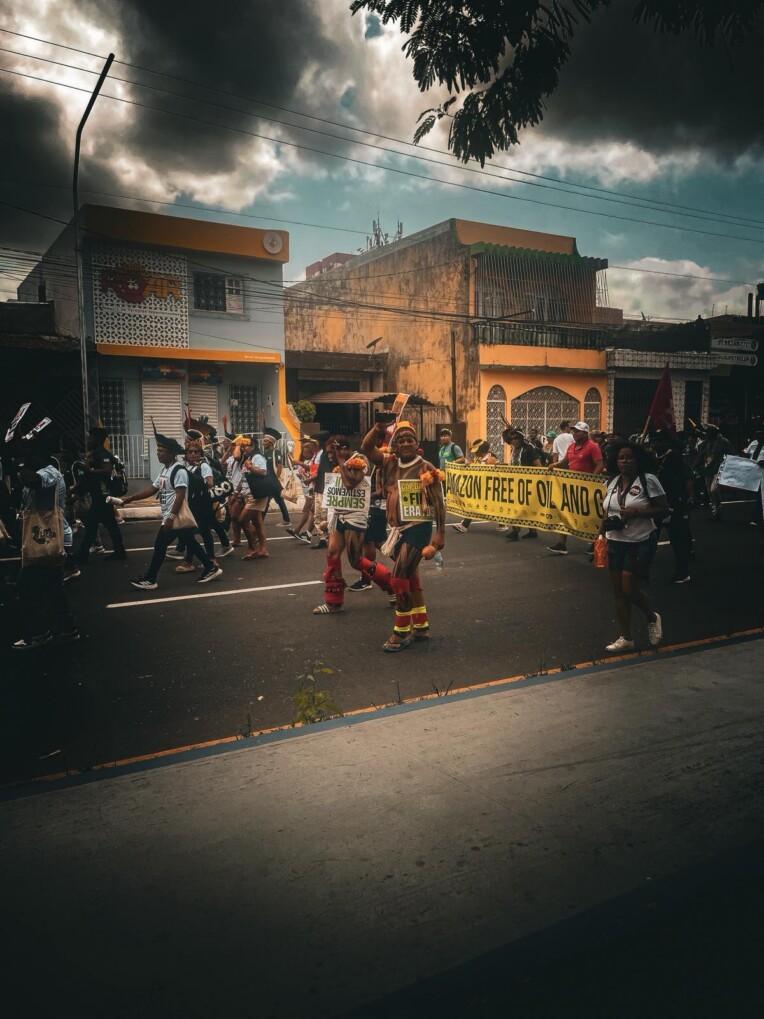
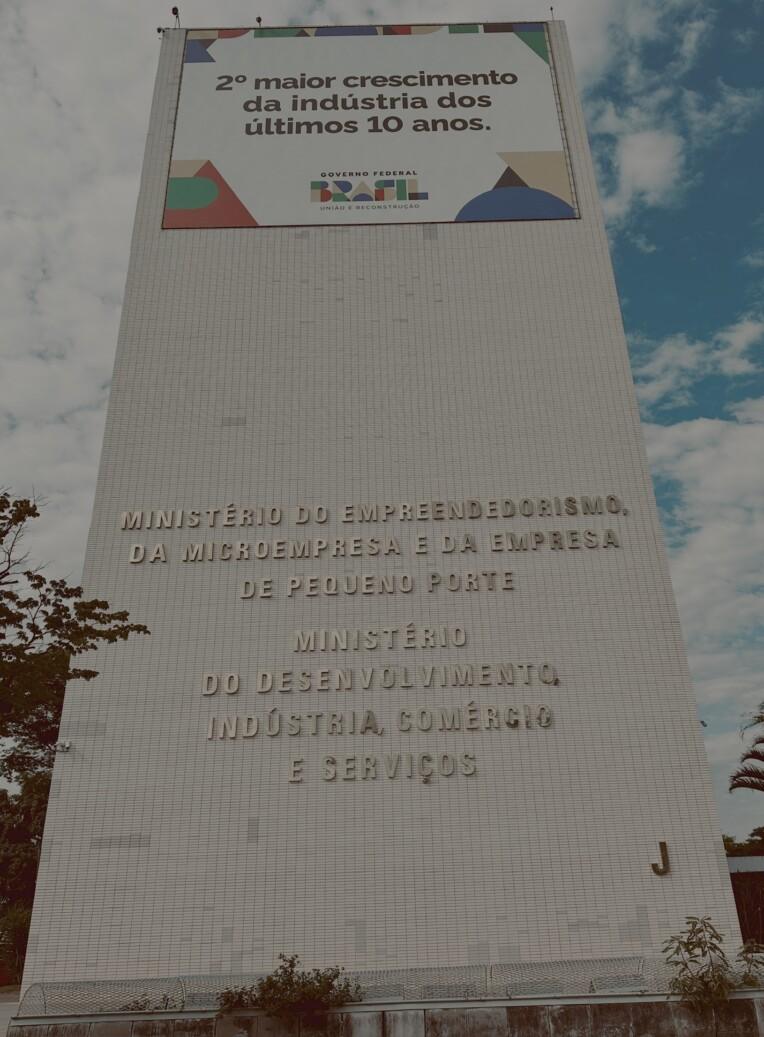
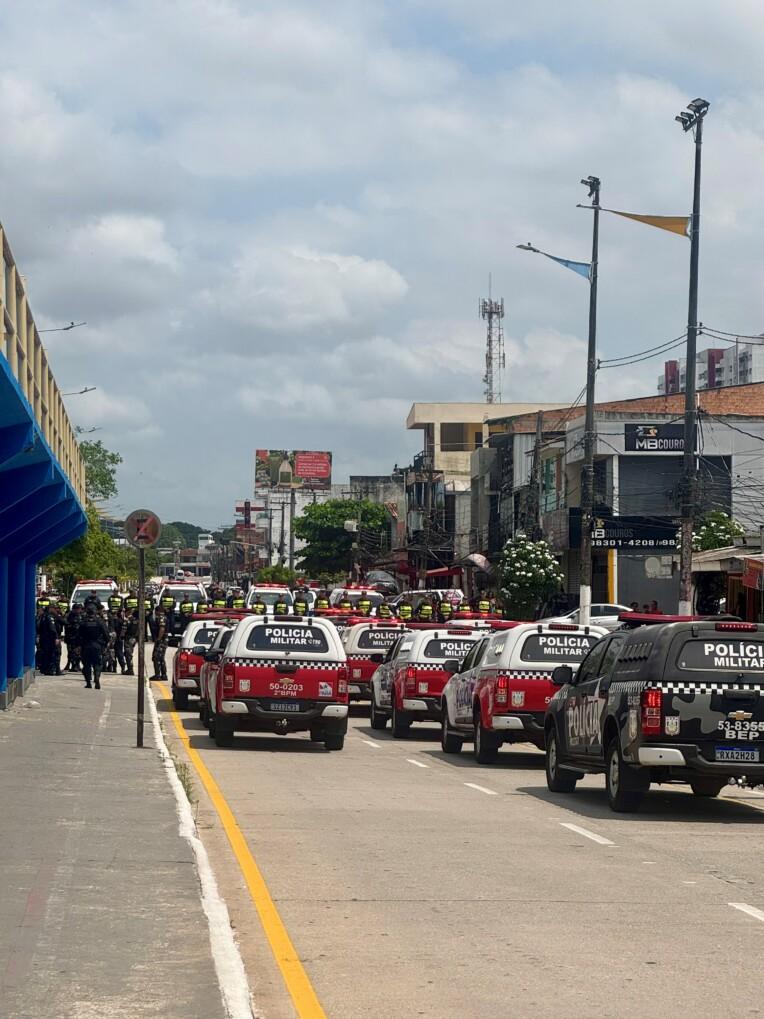
Brazil is one of the key partner countries in the research of the HWR Competence Centre. This autumn, several researchers from the Competence Centre were in Brazil conducting field research. Their work focused on in-depth conversations and interviews with actors from government, trade unions, and civil society, as well as exchanges with academic and international partners. The field research combined on-the-ground engagement with international debates, including participation in COP 30 in Belém.
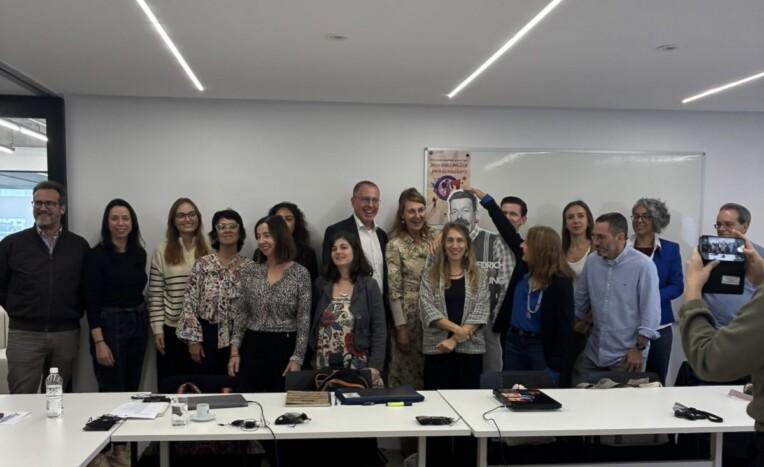
With the support of the Friedrich-Ebert Foundation, the HWR Competence Centre organisatioworkshop was held São Paulo titled “Mining and Beyond: Social Struggles, Industrial Policy, and Supply Chain Governance”. We would like to express our sincere thanks to the Friedrich-Ebert Foundation for its support.
The workshop focused on social and political conflicts related to raw material extraction, questions of industrial development and economic upgrading, and the regulation of global supply chains. Discussions addressed, among other topics, the impacts of mining projects on local communities, the role of external regulation such as due diligence legislation, as well as protests and state responses.
The intense and productive discussions brought together perspectives from academia and civil society. In addition to valuable insights, the workshop also generated a range of new ideas for future research projects and collaborations.
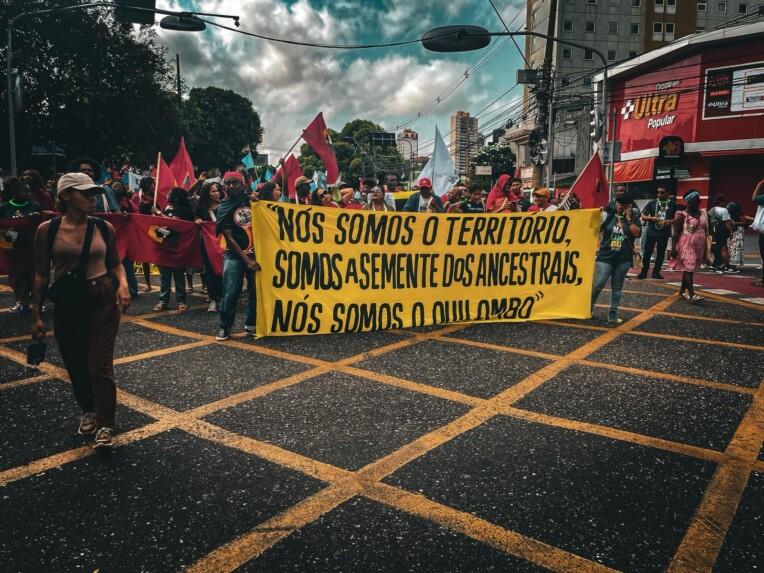
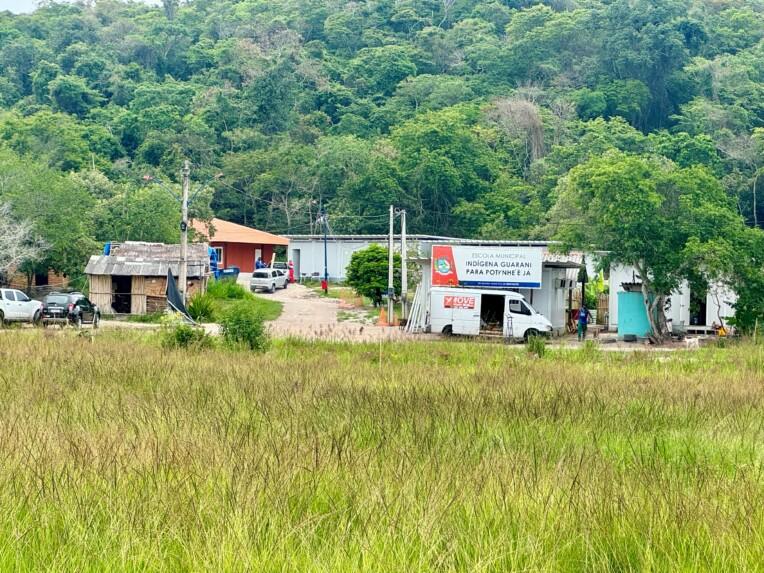
As part of Project Cluster C/WP4, which investigates protests, policing, and extractive supply chains, the research stay of Prof. Dr. Hunold and Dr. Dangelmaier in late 2025 continued from the workshop in São Paulo to Rio de Janeiro and Belém. In Rio, they took part in a seminar hosted by Prof. Bethania Assy’s team (PUC/ UERJ) (“Spheres of Citizenship”) and deepened their engagement with contested forms of belonging, rights, and state power. A key element of the program was a visit to an indigenous community whose territory is threatened by the purchase of land by a Spanish investor. In conversations, concerns about pressure, uncertainty, and potential repression became evident, while community members emphasized their determination not to give up their land.
In Belém, Prof. Dr. Hunold and Dr. Dangelmaier observed mobilizations in the context of COP30, including activities in the Green Zone, the People Summit, as well as smaller street protests and a Climate March. They also held background conversations with local actors to better understand perspectives on labor, resources, and conflict lines in the region. Overall, the stay helped consolidate field access and provided further empirical insights into how supply-chain-related conflicts, civil society mobilization, and policing responses intersect in Brazil.

Resilience in Focus: Internal Workshop at the HWR Competence Centre
Twice a year, the entire Competence Centre comes together for an internal workshop. This autumn, the focus was on resilience — a core concept of the research centre, also reflected in its full title.
The workshop explored how resilience is understood across different disciplinary and thematic contexts. Insights from individual presentations, including one on resilience in supply chains, were discussed alongside perspectives from the various clusters. In addition, the clusters presented their ongoing work and shared updates on recent developments and the current state of their research. The workshop thus served both as a space for in-depth exchange and for strengthening connections within the Competence Centre.
Presentation on Brazil’s “Green” Mining Strategies and Their Social Consequences
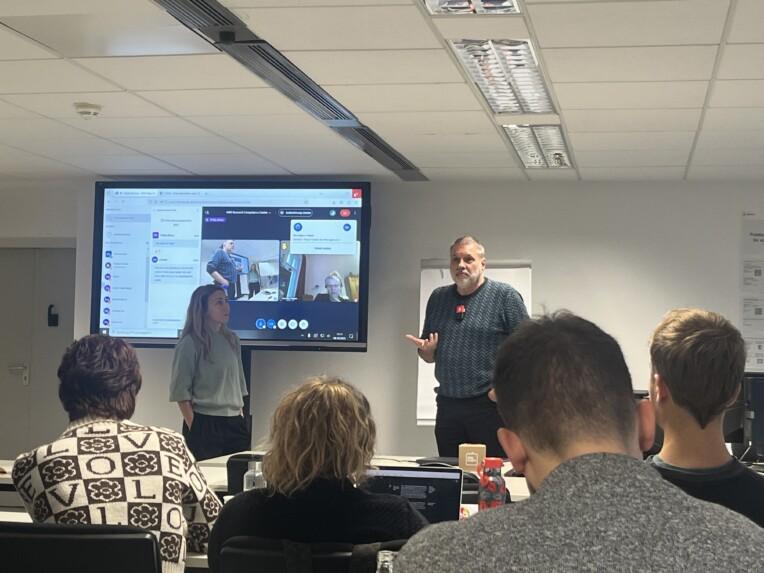
On October 8 2025, Prof. Dr. Klemens Laschewski from Universidade Federal de Minas Gerais (Brazil) delivered an insightful presentation at the HWR Competence Centre, examining Brazil’s role as a key supplier of raw materials for global CO₂ neutrality and energy transition strategies. He highlighted the country’s highly ambitious — yet deeply controversial — mining projects, particularly the exploitation of lithium deposits in the Jequitinhonha Valley.
In addition to lithium, Prof. Laschefski discussed the growing importance of other minerals such as niobium, copper, aluminum, and iron ore, and analyzed how mining and metal industries seek to present themselves as “green” through the use of renewable fuels and large-scale energy projects.
A central focus of the talk was the social and ecological impact of these developments: large-scale land grabbing and the displacement of Indigenous and traditional communities, particularly in the Cerrado region — an area largely overlooked in international climate debates.
Exchange, Methods, and Collaboration: HWR Competence Centre Retreat
In early September, researchers at the HWR Competence Centre met for a retreat in Zeitz, near Leipzig. The programme included presentations of doctoral projects as well as a one-day workshop focusing on methodological approaches, writing practices, and collaboration within the team. Held in the former pasta factory, the retreat offered the opportunity to step away from everyday routines and engage in focused discussion and exchange.

Prof. Ivanov ranks among the 100 most important minds in Berlin science
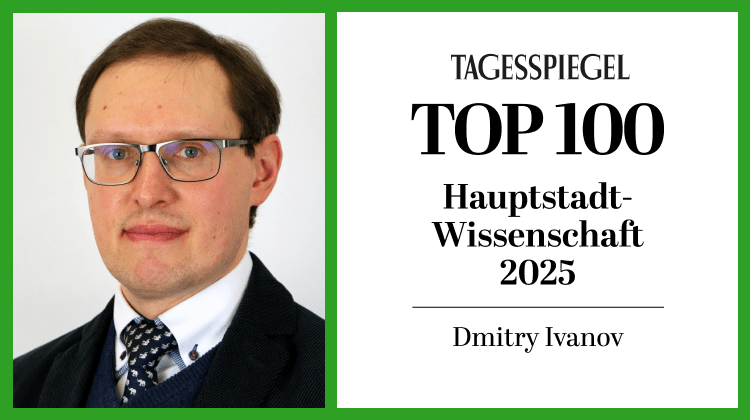
Prof. Dmitry Ivanov was voted one of the 100 most important minds in Berlin science in 2025. In times of global uncertainty and instability, his research approaches make valuable contributions to making supply chains more resilient and sustainable. Der Tagesspiegel writes: ‘Ivanov’s contributions, including 130 articles in major journals and a standard textbook, have received widespread attention. Wirtschaftswoche ranks him among the most research-intensive economists in Germany.’
Members of Cluster B in Athens
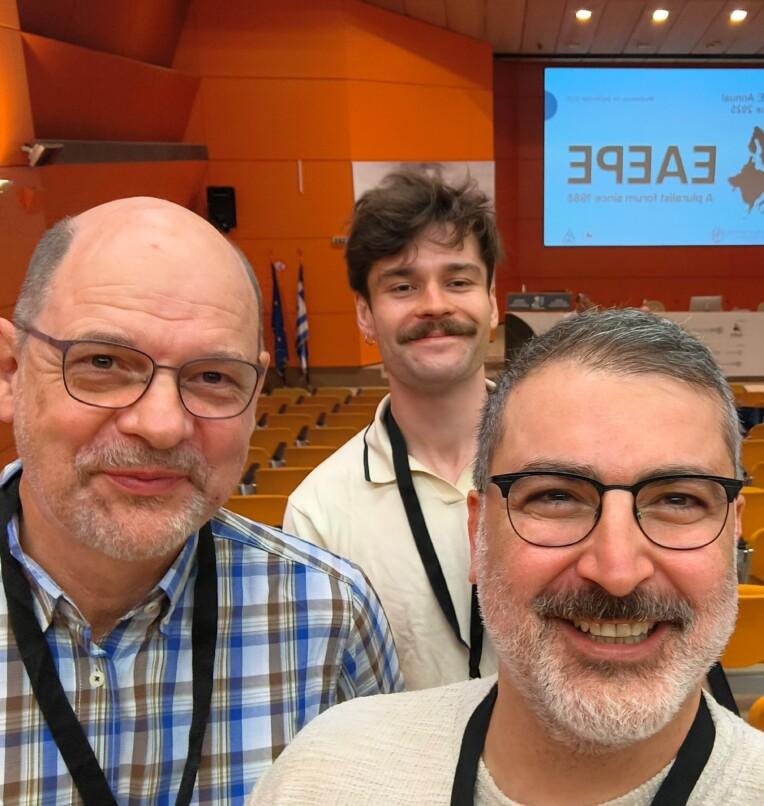
Prof. Eckhard Hein, Dr. Ümit Akcay and doctoral student Philip Blees have presented their ongoing work at the 37th
Annual Conference of the European Association for Evolutionary Political Economy (EAEPE) in Athens, 24-26 September 2025. Eckhard Hein presented a paper, jointly written with Juan Manuel Campana, on ‘Eurozone governance and the German demand and growth regimes, 1999-2024‘, which is accepted for publication in the Review of Evolutionary Political Economy. Ümit Akcay presented joint work, also with Juan Manuel Campana, on ‘A tale of two crises: Failed attempts to reclaim policy space from financial markets in Argentina and Turkey’, and Philip Blees presented a part of his PhD work on ‘Towards a varieties of socio-economic productivity regimes approach’.
Exchange between administration and academia
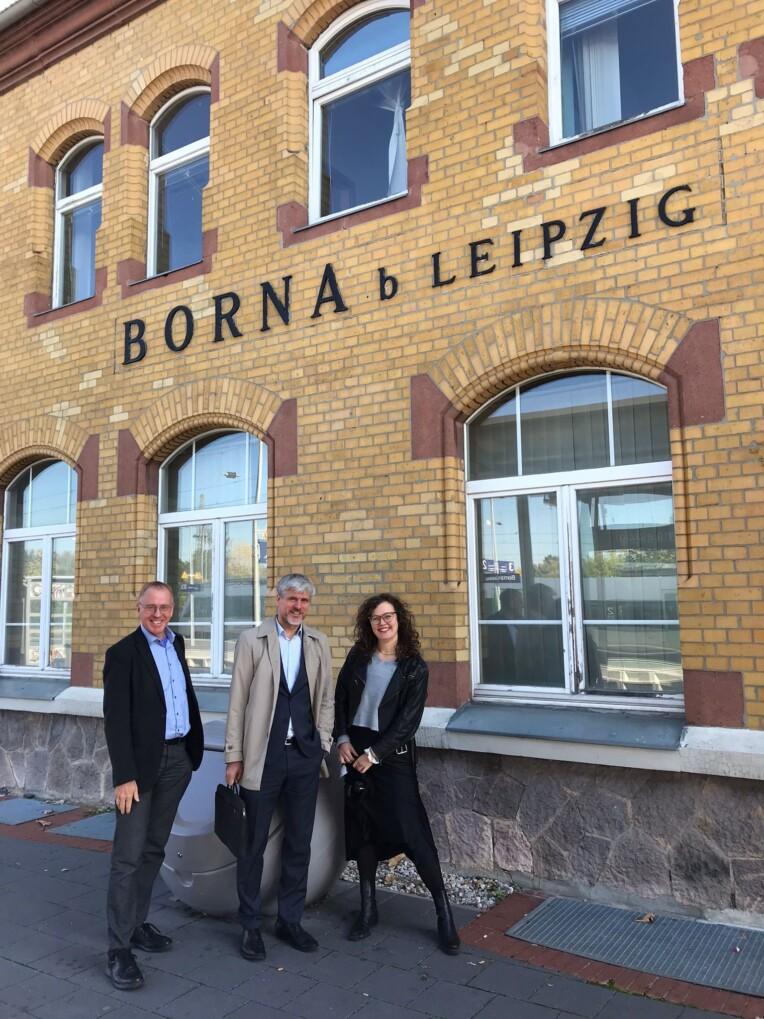
At the end of September, we travelled to Borna near Leipzig with representatives from Clusters B and C, together with colleagues from Stockholm University and GIGA Hamburg, for an expert exchange between academia and administration. This is where the branch office of the Federal Office for Economic Affairs and Export Control (BAFA) is located, which is responsible for implementing the German Supply Chain Due Diligence Act (LkSG). We exchanged views on the application process, approaches to supply chain regulation in other European countries, and data analysis and risk assessment in the context of supply and value chains. Many thanks to all those involved for the very stimulating exchange!
Conference trip by Prof. Dr. Dmitry Ivanov
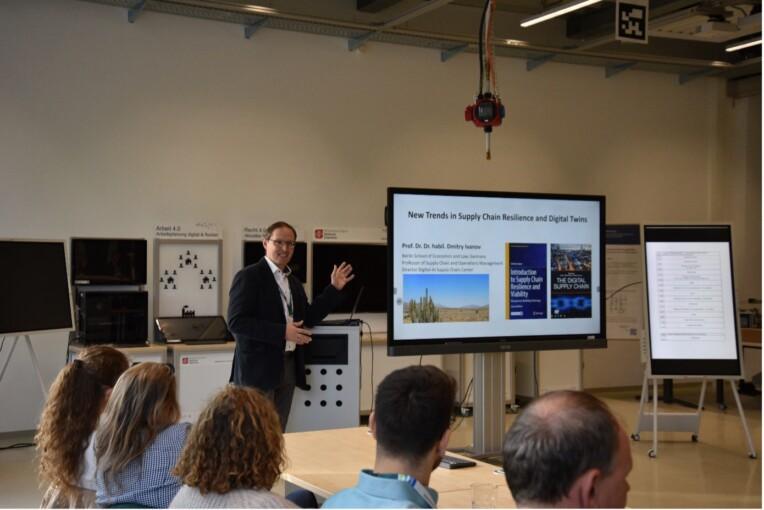
Prof. Dr. Dmitry Ivanov travelled to Poland and Chemnitz in September to attend several conferences. First, he gave the keynote speech at the 15th IFAC IMS Conference in Kozsalin (Poland) entitled ‘Supply chain resilience and viability at the times of tariff shocks and global uncertainty’. On 16 September, he spoke at the EUROMA CEE Workshop in Chemnitz on ‘New Trends in Supply Chain Resilience and Digital Twins’.
Research stay at MIT Center for Transportation and Logistics
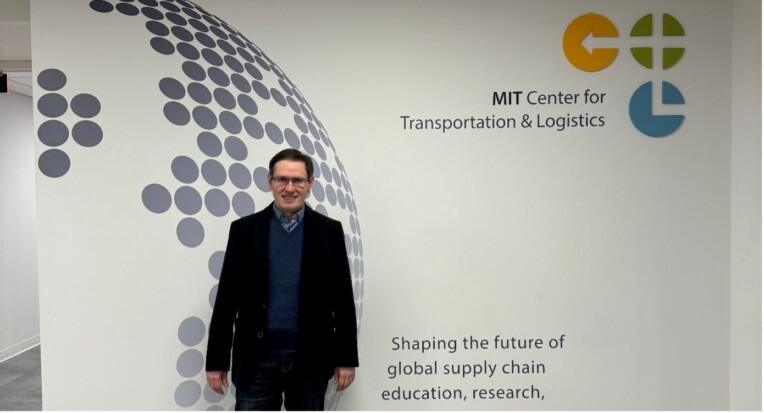
As part of his research stay at the MIT Centre for Transportation and Logistics (CTL), Prof. Dr. Dmitry Ivanov gave a presentation at the MIT Centre for Transportation and Logistics research seminar on 28 August 2025. The topic was ‘Tariff shocks, ripple effect, and stress testing in supply chains’.
HWR Summer School 2025
On 17 July 2025, in the final instalment of the HWR’s 2025 Summer School, our members Martina Martinovic, Roxana Zimmermann and Mario Petoshati gave a presentation on the “Circular Economy” concept. This presentation incorporated theoretical explanations, real-life examples and practical exercises to facilitate a deeper understanding of circular economy. This led to fruitful and engaging debates and discourses amongst the students. The lecture also included two expert lectures, given by Ms Ines Göbel (sustainability manager of ZumTobel Group) and Ms Julia Breidenstein (co-founder and PR manager of Humana Kleidersammlung).
Crisis Reactions in Global Value Chains – Perspectives from Emerging Economies
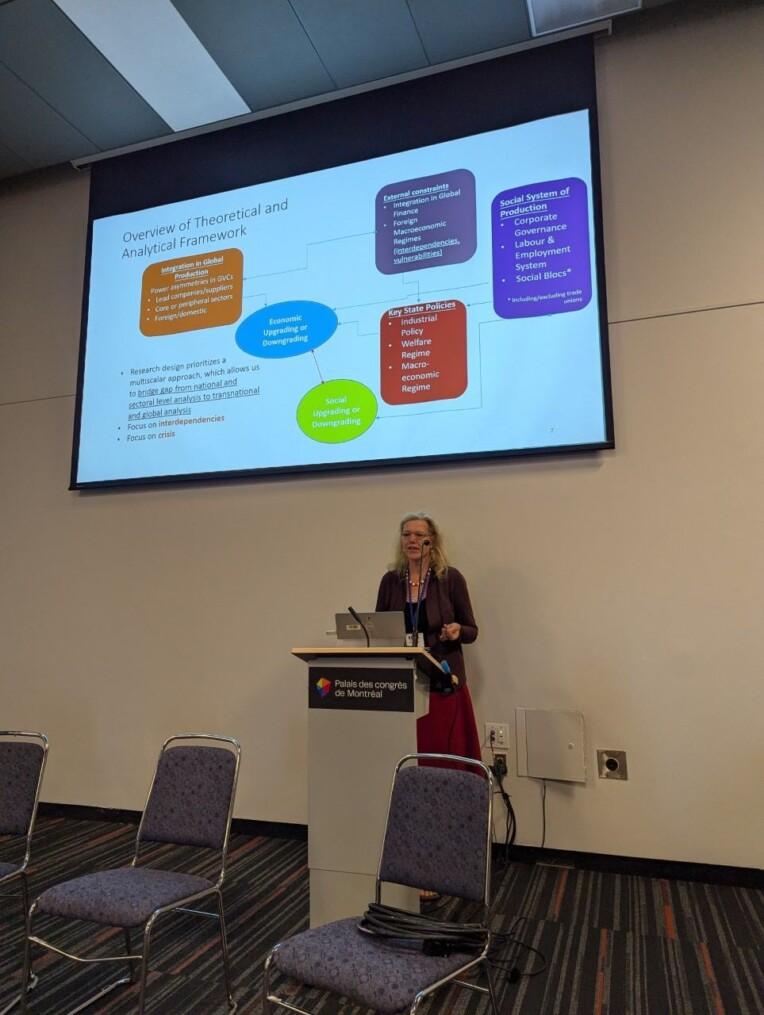
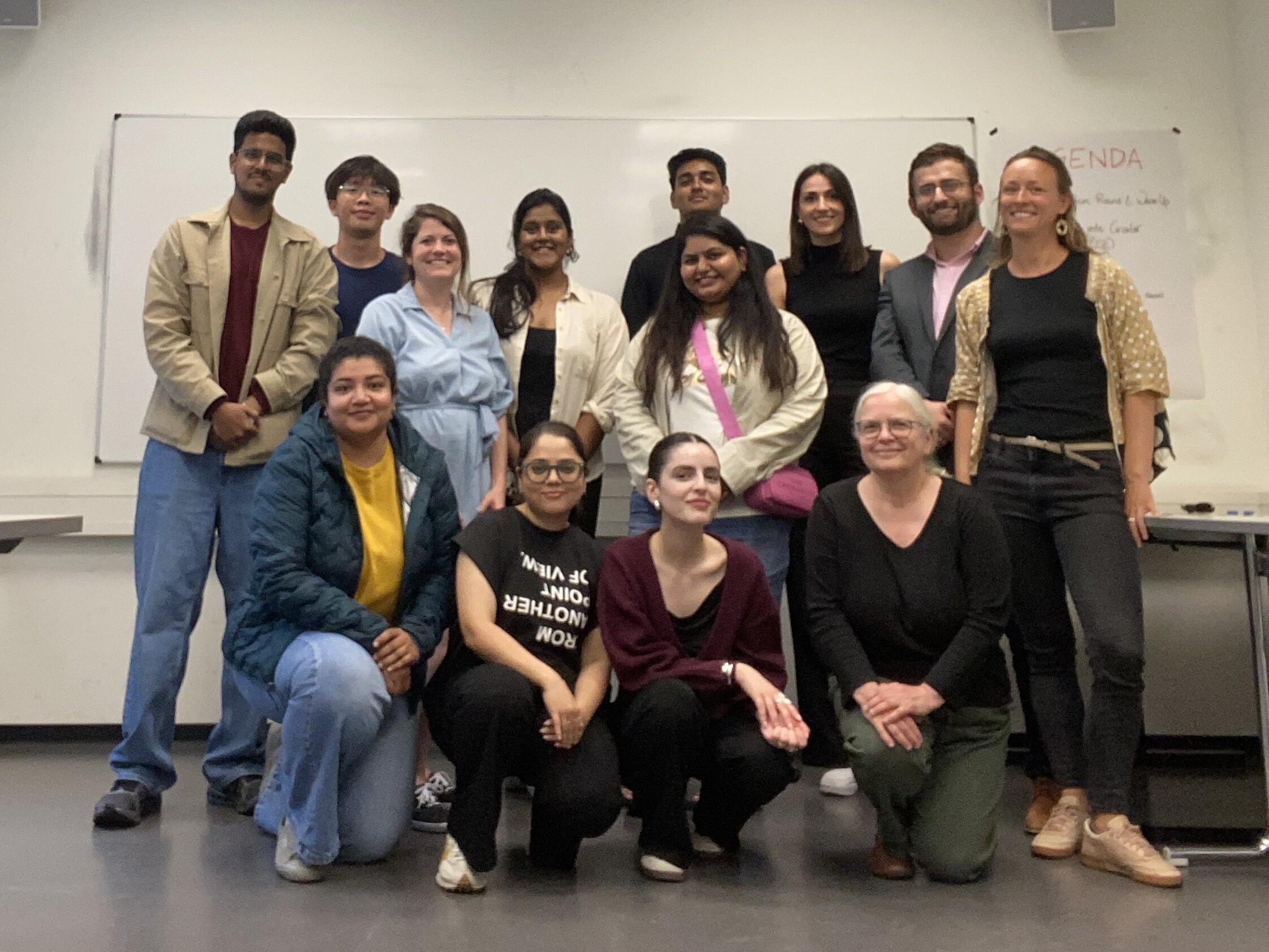
At the annual meeting of the Society for the Advancement of Socio-Economics (SASE) in Montreal, Christina Teipen presented a joint paper with Anne Martin. Their presentation, titled Conceptualizing Crisis Reactions in Various GVC Positions: Insights on National Sector Dynamics from Emerging Economies, was part of the Global Value Chains track. The conference’s overarching theme was “Inclusive Solidarities: Reimagining Boundaries in Divided Times”.The paper explores how different industries in emerging economies respond to crises—depending on their position within global value chains and the respective political and economic conditions at the national level.
Supply Chain Act in Action: Impacts on Brazil’s Battery Industry
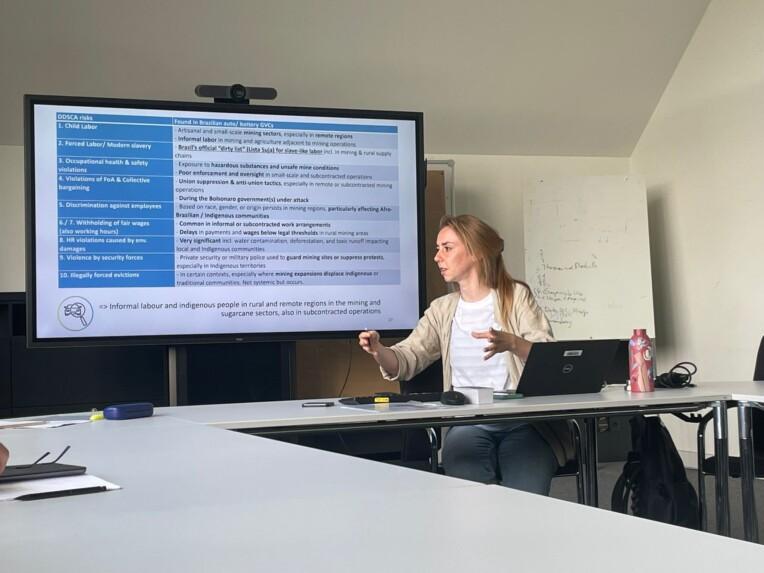
As part of our Lecture Series, our colleague Helena Gräf presented her research on the effects of the German Supply Chain Act (LkSG) in the Brazilian battery value chain. Using a case study of Brazil’s automotive sector, which is gradually transitioning toward battery production, she examined how this transnational law interacts with national governance mechanisms such as industrial relations, environmental regulation, and industrial policy with a focus on labour. Her findings suggest that the LkSG can only have real impact if embedded in a strong national governance framework.
Panel talk about „Supply chain resilience and digital twins”
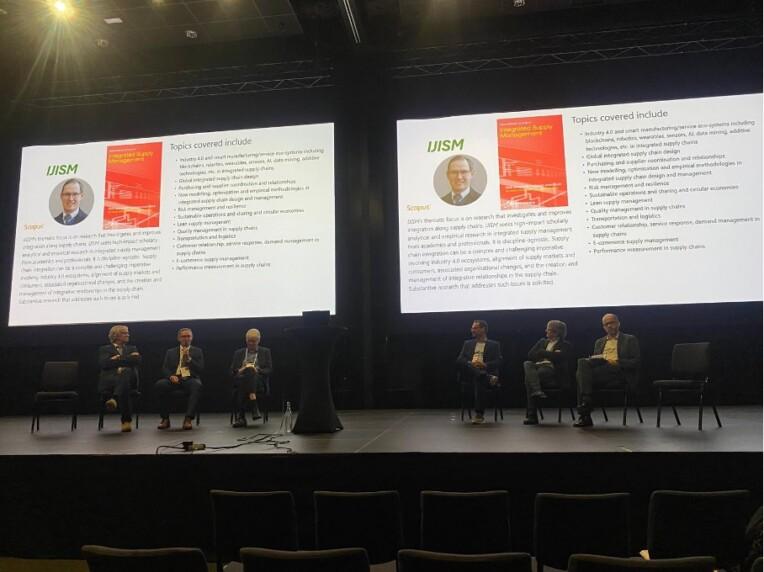
On 1 July 2025, Prof. Dr. Dmitry Ivanov gave a presentation on ‘Supply chain resilience and digital twins’ at the 11th IFAC Conference MIM 2025 in Trondheim, Norway.
Panel at the ECPR Regulatory Governance Conference 2025
Members of the HWR Research Competence Centre will present their research at The Biennial Conference of the Standing Group on Regulatory Governance at the Hertie School of Governance from 11 to 13 June 2025 in Berlin. More
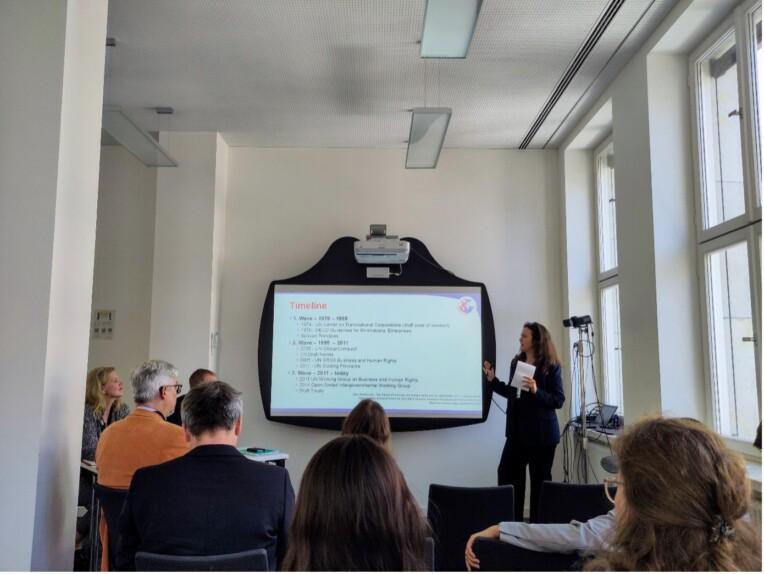
Human Rights Due Diligence in India: Challenges and Perspectives
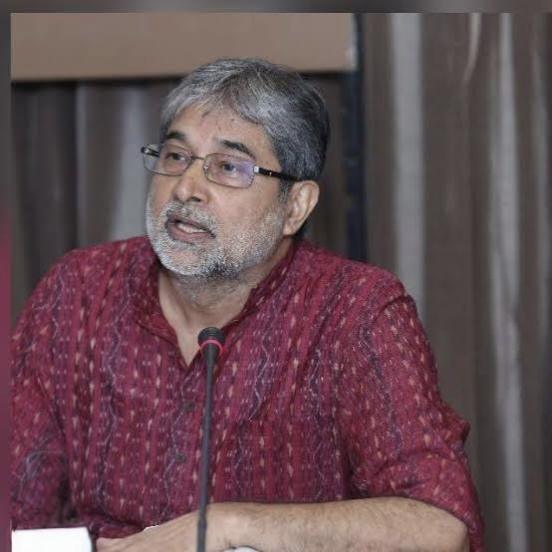
In June, Prof. Praveen Jha from Jawaharlal Nehru University (JNU), Delhi, visited HWR Berlin for a research stay. Jha has collaborated for many years with members of our Competence Centre, particularly on global value chains and questions of social justice. In his lecture, he discussed the limited effectiveness of human rights due diligence legislation in the Indian context. He argued that such laws have little impact as long as the vast informal sector—which employs over 90 percent of the workforce—is not embedded in broader domestic reforms. Sustainable change, he concluded, must be driven from within the country itself.
Macroeconomic Perspectives on Global Value Chains
As part of our Lecture Series, our members Juan Manuel Campana and Prof. Eckhard Hein gave a talk in May on “Demand and Growth Regimes and the Structure of International Trade in Selected Countries: A Macroeconomic Framework for the Analysis of Global Value Chains.”
Their presentation offered initial insights from a work-in-progress paper that develops a macroeconomic perspective on global value chains, exploring how trade structures shape different demand and growth regimes in selected countries.
Labor Conditions in Ports and at Sea: Insights from the Banana Supply Chain
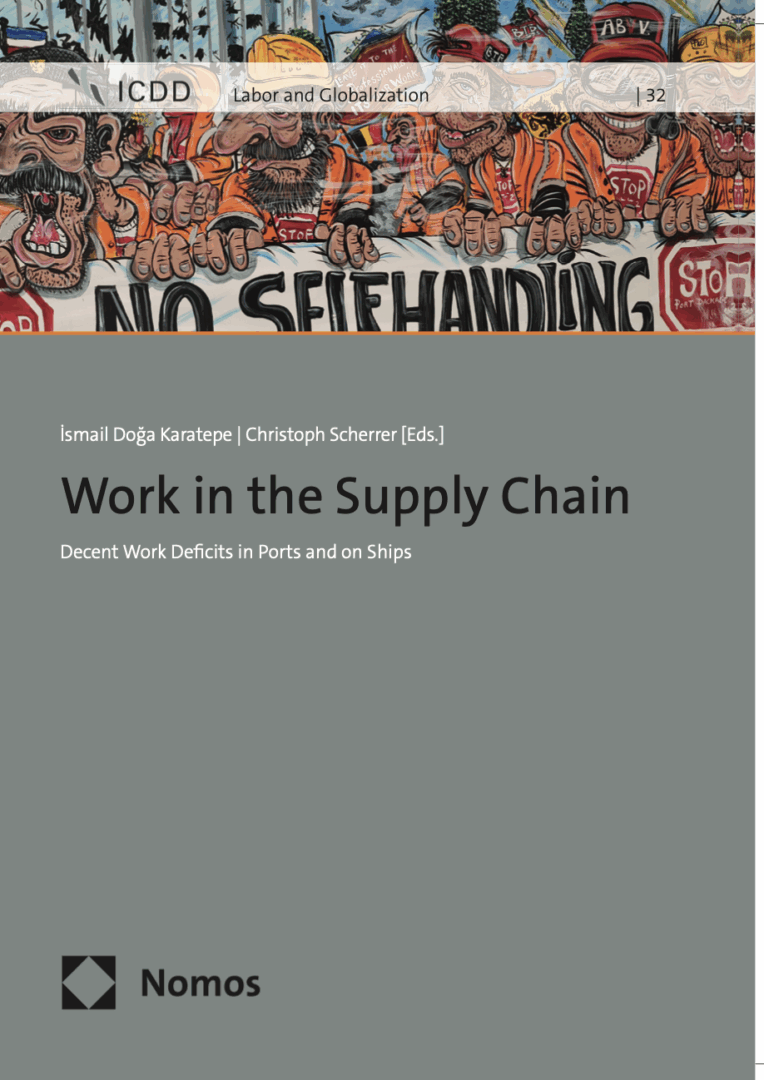
In April 2025, Professor Christoph Scherrer presented the key findings of his latest research on working conditions in the global freight shipping industry.
The presentation focused on case studies of ports in Germany, the Netherlands, Costa Rica, and Colombia, as well as empirical analyses of seafarers’ situations. The study examined regulatory gaps at the international level, the enforcement of national labor standards, and the responsibilities of key actors in global supply chains.
The presentation was based on the book “Work in the Supply Chain – Decent Work Deficits in Ports and on Ships” which Scherrer edited with Ismail D. Karatepe. Using the banana supply chain to northwestern Europe as an example, the book illustrates the challenges of ensuring decent working conditions at sea and in ports and highlights the social forces that maintain existing power structures.
Guest lecture at the HWR: Industrial policy as the key to Brazil’s development
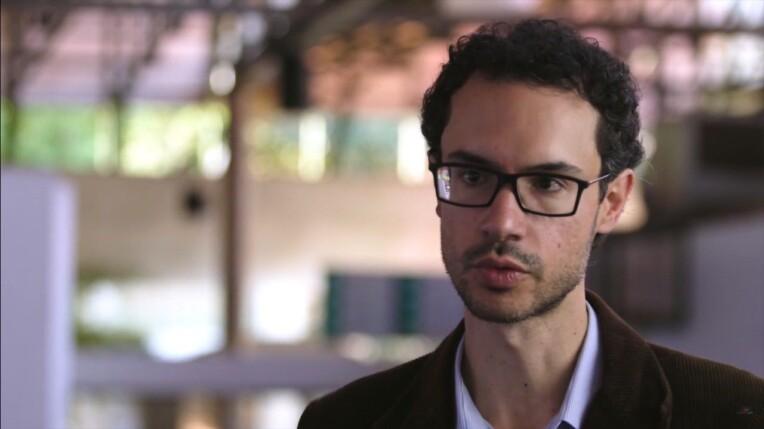
In February 2025, Prof. Bruno De Conti, a long-standing research partner of IPE Berlin, spent two weeks as a visiting scholar at HWR Berlin. He is a professor at the University of Campinas (UNICAMP) in Brazil and conducts research on currency hierarchies in the global financial system, as well as on global value chains and their role in development strategies.
During his stay, he gave a public lecture titled “Brazil: The Current Economic and Geopolitical Scenario, and the Impacts on its Positioning in the GVCs.” In his presentation, he argued that while current economic and geopolitical shifts are indeed transforming global value chains (GVCs), these changes do not automatically benefit Brazil. Instead, any potential gains will need to be actively pursued through a strong industrial policy, supported by a macroeconomic framework that fosters, rather than undermines, industrial development.
Kick-Off Conference 2024
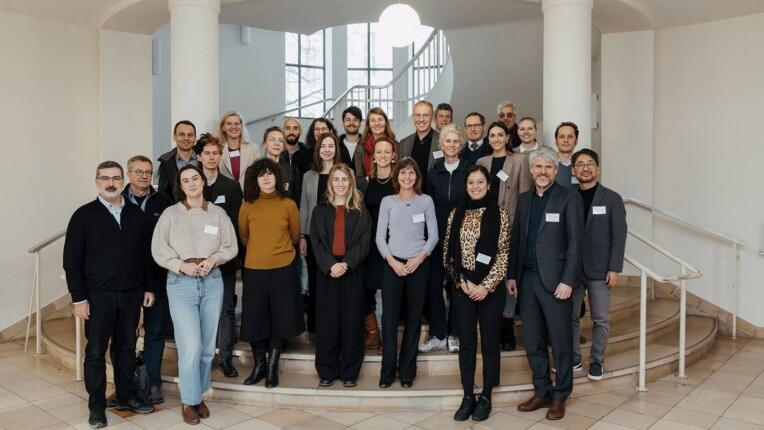
Global supply and value chains are facing unprecedented challenges today. The new HWR Berlin Research Competence Centre will conduct research into this in the coming years. The kick-off conference at the end of November 2024 marked the start of a broad dialogue with an interested specialist audience. More
Prof. Dr. Dmitry Ivanov has been recognized once again for his exceptional contributions to research
Prof. Dr. Dmitry Ivanov has once again been named a Highly Cited Researcher in the 2024 global ranking – marking the fourth consecutive year he has received this prestigious recognition.
This award places Prof. Ivanov among the world’s most frequently cited scientists in their respective fields. An internationally renowned expert in supply chain management, he also ranked first globally in the categories Supply Chainand Control in the 2024 ScholarGPS ranking under “Highly Ranked Scholar – Prior Five Years.”
Global Labor University Conference in New Delhi
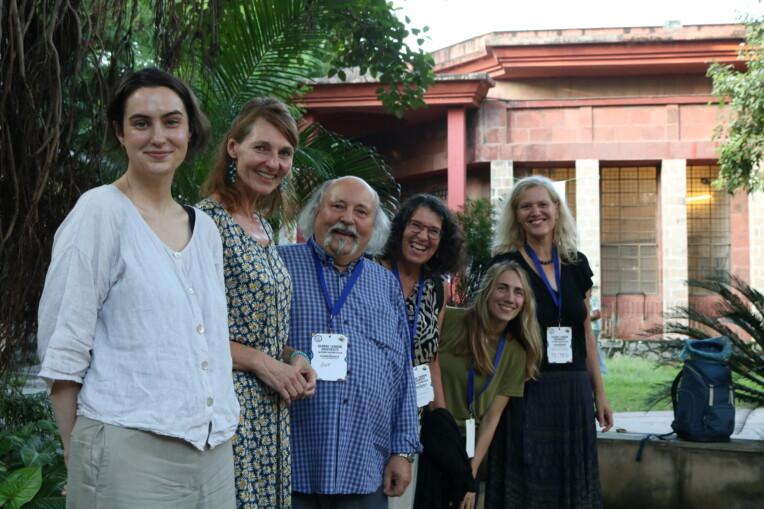
From September 25 to 27, 2024, the Global Labor University Conference on “Globalisation and the Transition to an Egalitarian World: Resistance and Alternatives” took place at Jawaharlal Nehru University in New Delhi, India.
Anne Martin, Stefanie Lorenzen, Hansjörg Herr, Martina Sproll, Petra Dünhaupt, and Christina Teipen (from left to right) took the opportunity to present and discuss their latest research on global value chains with an international audience.
The conference provided an inspiring platform for exchange with scholars, trade unionists, and activists from around the world.